Nestled on the Gulf of Guinea, this singular Spanish-speaking nation of Central Africa weaves together ancient Bantu wisdom, vibrant multicultural threads, and bold modern ambition into a tapestry of profound value. Far from a peripheral story, it embodies the continent’s capacity to harness natural wealth, cultural depth, and visionary leadership for a future of dignity, sustainability, and shared prosperity.
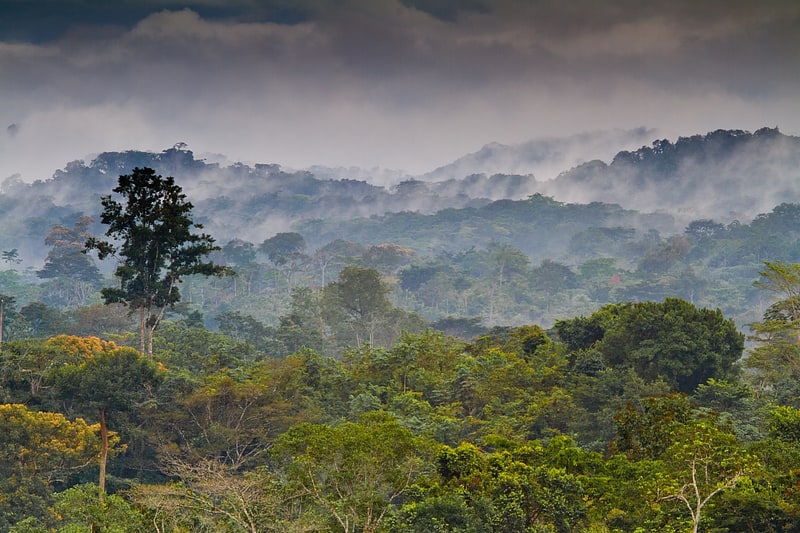
At its heart lies an extraordinary natural endowment. Part of the Congo Basin’s vital green lung, Equatorial Guinea safeguards some of Africa’s most pristine rainforests in Monte Alén National Park, alive with forest elephants, gorillas, chimpanzees, and endemic species. Bioko Island’s volcanic landscapes and untouched beaches host critical sea turtle nesting grounds, while the remote beauty of Annobón whispers of isolation and ecological purity. These treasures are not mere resources; they are living cathedrals of biodiversity that position the country as a steward of global environmental heritage and a rising force in responsible ecotourism.
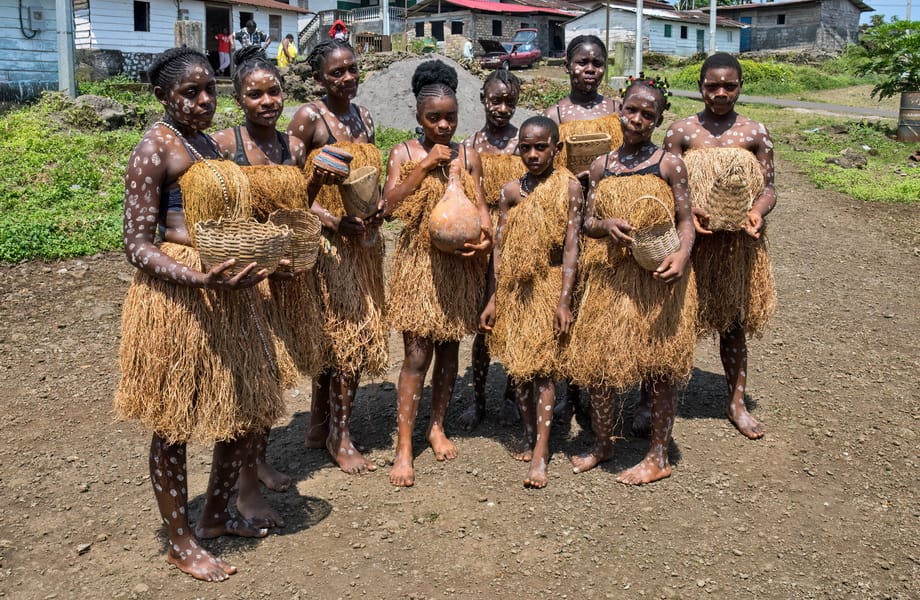
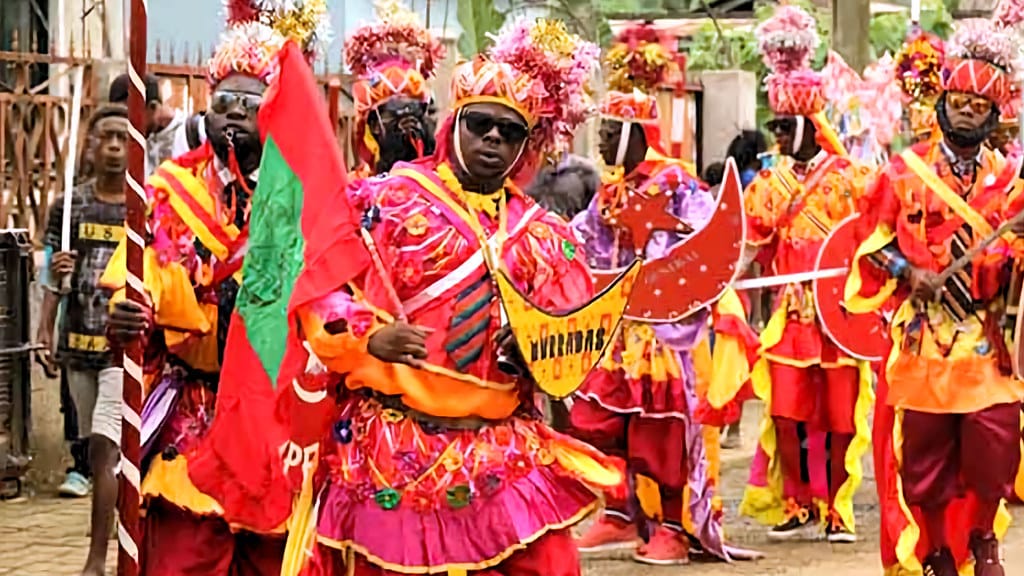
Yet the nation’s true splendor emerges from its people. The Fang, Bubi, Ndowe, and Annobonese communities carry forward rich traditions—rhythmic balélé dances, the haunting melodies of the mvet harp, masked rituals, and communal storytelling—that fuse seamlessly with Spanish linguistic elegance and Catholic faith. This hybrid identity, marked by warmth, creativity, and unbreakable communal bonds, infuses everyday life with soulful depth. Festivals pulse with color and energy, while cuisine rooted in cassava, plantains, spicy pepper soups, and ocean bounty nourishes both body and cultural memory. In a world hungry for authenticity, Equatorial Guinea offers a living bridge between ancestral roots and contemporary expression.
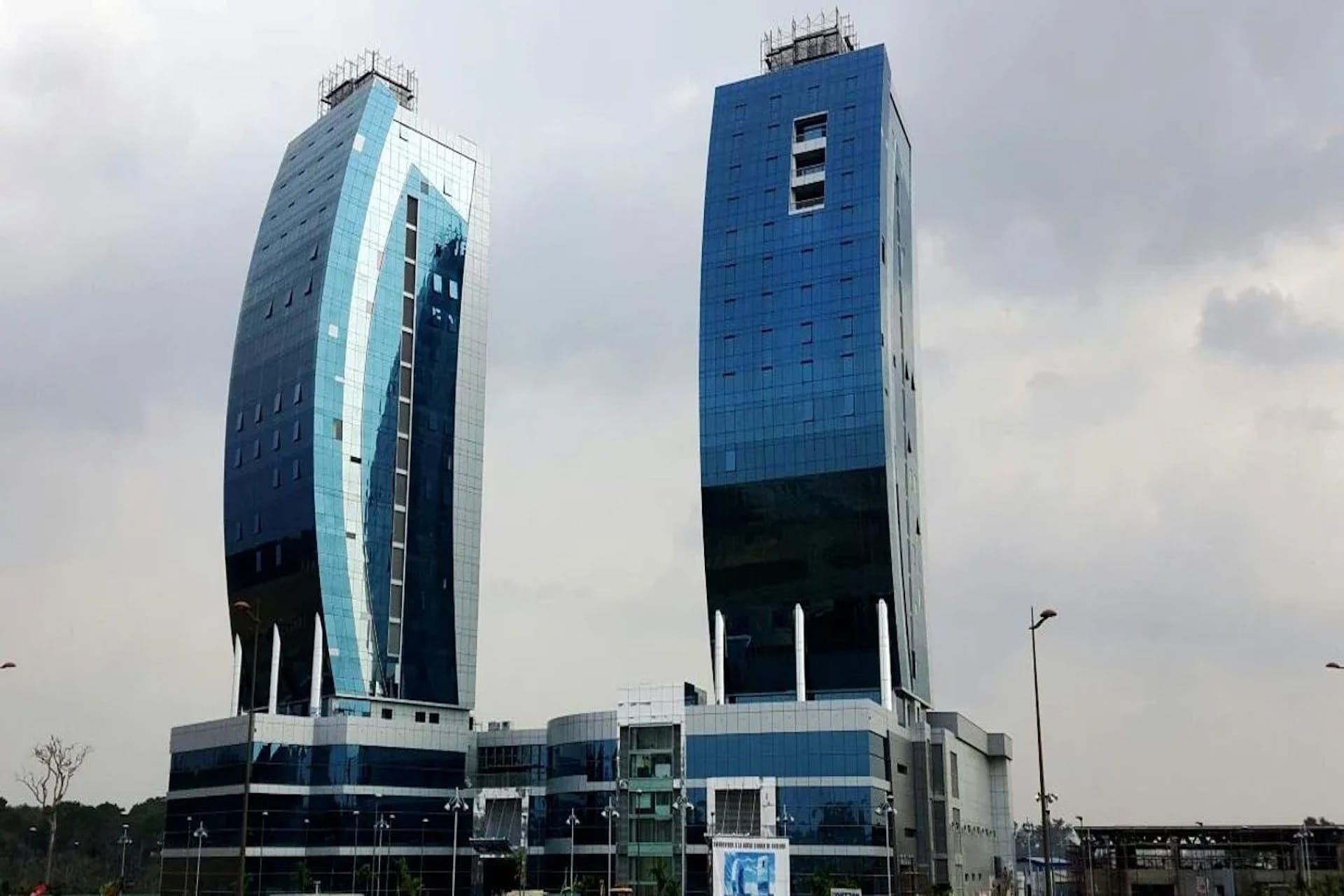
Economically and infrastructurally, the country charts a courageous path of transformation. Oil wealth has funded modern highways, ports, and urban renewal, but the vision now stretches far beyond hydrocarbons. The 2026 licensing round invites responsible energy investment, while ambitious diversification embraces natural gas, mining, agro-processing, aquaculture, and digital services. The recent shift of the administrative capital to Ciudad de la Paz symbolizes this forward momentum—a planned city rising amid the forest, embodying territorial balance, modernization, and harmonious development. Reforms in taxation, business facilitation, intellectual property integration, and human capital signal a maturing economy oriented toward innovation, inclusion, and resilience.
Health and social progress further illuminate the nation’s commitment to its citizens. Vision 2030 for malaria elimination, supported by international partnerships and local innovation, promises healthier communities and unlocks greater potential for tourism and investment. Initiatives in education, youth employment, and sustainable forestry underscore a holistic understanding that true wealth resides in empowered people and protected ecosystems.
Equatorial Guinea is not defined by past challenges but by its soaring potentials: a strategic maritime gateway, multilingual human capital, fertile lands, and a government increasingly attuned to private-sector collaboration and green growth. Its motto—Unidad, Paz, Justicia (Unity, Peace, Justice)—resonates as both guiding principle and lived aspiration.
In an era when Africa reclaims its narrative, Equatorial Guinea shines as a compelling example of what focused leadership, cultural pride, and strategic stewardship can achieve. It is a small nation with an outsized soul—rich in beauty, blessed with opportunity, and destined to contribute meaningfully to the continent’s renaissance and the world’s shared future. To know Equatorial Guinea is to witness hope made tangible: a country that honors its past, cherishes its present, and builds boldly toward a legacy of excellence and harmony.