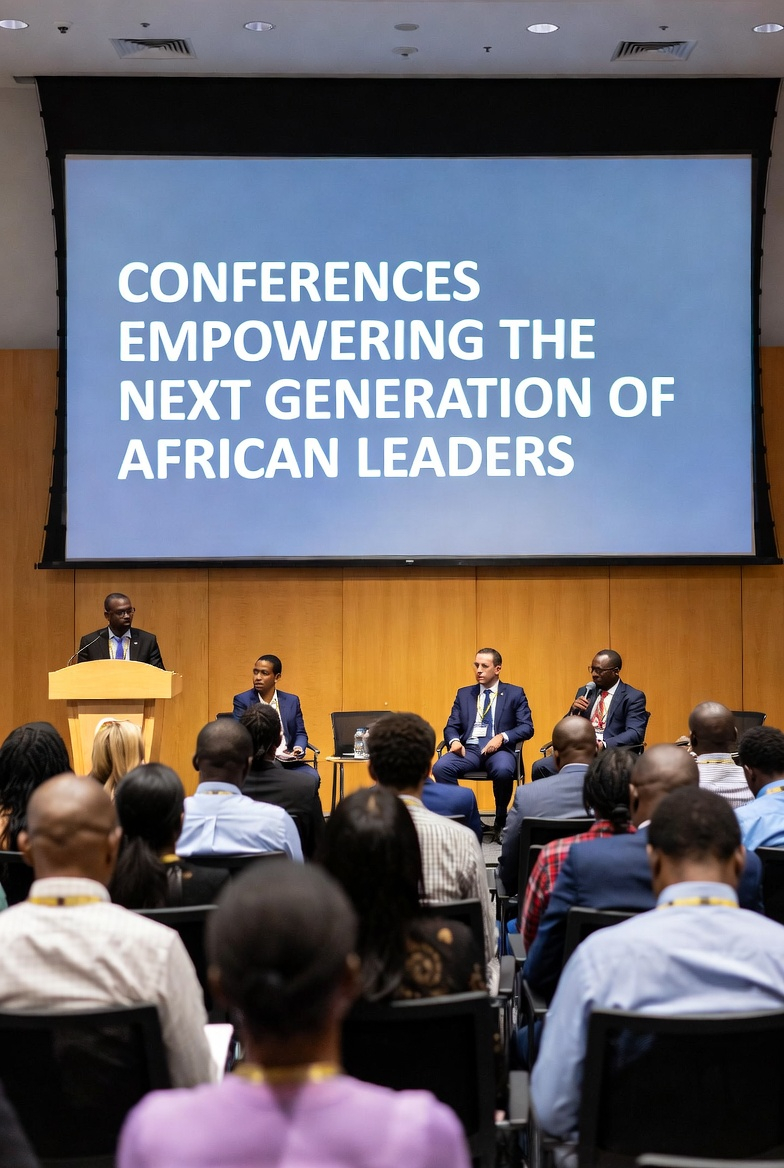
Inclusive leadership fosters environments where diversity is valued, equity is prioritized, and individuals feel empowered to contribute fully. Grounded in self-awareness, humility, courage, cultural intelligence, and collaboration, it drives innovation, engagement, and sustainable growth.
In Africa, this model harmonizes global leadership standards with indigenous philosophies such as Ubuntu, which emphasizes shared humanity and collective progress. It responds to ethnic, cultural, and socio-economic diversity while addressing exclusion and systemic inequities. Institutions like the African Development Bank exemplify this approach by advancing inclusive growth through partnership and regional cooperation.
For Millennials and Gen Z, African leadership is being reshaped through digital transformation, entrepreneurship, climate awareness, and participatory governance. From reform-driven initiatives in Nigeria to innovation ecosystems in Senegal, and advocacy for stronger African representation at the United Nations Security Council, a new generation is promoting ethical, self-reliant, and globally engaged leadership.
Despite persistent challenges, this redefinition signals a resilient, values-based Africa—united, forward-looking, and prepared to transform its potential into lasting progress.